Personalized Medical Care & Dedicated International Patient Concierge

Medical Guide
Veneers vs Laminates: Are They the Same? Korea Guide
Comparing veneers vs laminates? Learn how Korean clinics like Harue Dental Clinic define ceramic laminates, enamel prep depths, and crown differences.
Schedule a ConsultationVeneers vs Laminates: Are They the Same Thing? A Terminology Guide for U.S. Patients
Medically reviewed by Dr. Hanna Lee, DDS, MSD, PhD
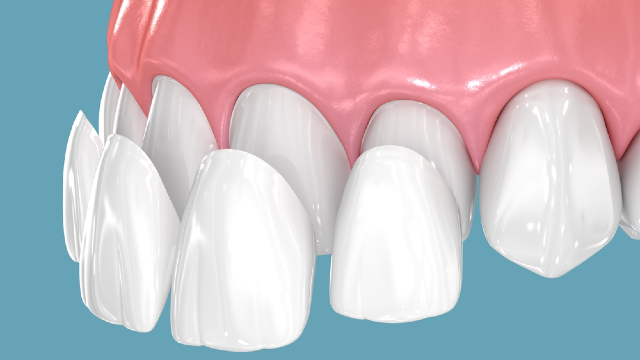
When American patients begin researching cosmetic dentistry in Seoul, one question comes up almost immediately: in the debate over veneers vs laminates, are laminates the same as veneers? The short clinical answer is yes. In South Korean dentistry, the word "laminate" (라미네이트) is the standard everyday term for what U.S. dentists and patients call a porcelain veneer—an ultra-thin, custom-crafted ceramic shell bonded to the visible front (labial) surface of a tooth to refine its shade, shape, length, or minor alignment appearance. Both terms originate from the same formal prosthodontic phrase: porcelain laminate veneer (PLV). Over time, English-speaking patients in the United States shortened the three-word phrase to "veneer," whereas dentists and patients in South Korea shortened the exact same phrase to "laminate."
Understanding what are laminates dental Korea clinics offer—and why Korean aesthetic dentists prefer the word laminate—is more than a trivia exercise. For international patients flying to Seoul, bridging this vocabulary gap serves two practical purposes. First, U.S. searchers who only type "veneers" into search engines often miss specialized Korean clinical pages dedicated to ultra-conservative no-prep laminates (0.1 mm), minimal-prep laminates (0.3 mm), same-day CEREC laminates, and laminate repair and replacement. Second, knowing precise dental laminate terminology helps you distinguish conservative front-surface enamel shells from full-coverage 360-degree crowns during your consultation. At Harue Dental Clinic in Gangnam-gu, Seoul—established in 1995 and led by Representative Director Dr. Hanna Lee—laminate treatments are organized into clear clinical categories grounded in more than 20 years of dedicated tooth-design research and a 2011 registered patent on minimally damaging tooth preparation.
The Bottom Line
- "Veneers" in the U.S. and "laminates" in Korea refer to the same restoration: Both terms come from the academic term porcelain laminate veneer—a thin ceramic facing bonded strictly to the front surface of a tooth to improve color, contour, or minor spacing.
- Why Korean dentists say "laminate": The word laminate emphasizes a thin surface layer laminated onto preserved natural enamel, drawing a sharp boundary between front-surface aesthetic shells and 360-degree full-coverage crowns.
- Preparation depth defines the subcategory (
0.1 mmvs.0.3 mmvs.0.7 mm): At Harue Dental Clinic, eligible patients can receive no-prep laminates fabricated as thin as0.1 mmwith zero mechanical tooth reduction, or minimal-prep laminates averaging approximately0.3 mmof enamel reshaping—compared with approximately0.7 mmin conventional veneer preparation. - Harue Dental Clinic's 5 core laminate pathways: Rather than treating every smile with one template, Dr. Hanna Lee offers distinct pathways for No-Prep Laminates, Minimal-Prep Laminates, Same-Day Laminates (completed in
1to3hours via in-house CEREC CAD/CAM), Laminate Repair & Replacement, and Discolored Teeth Treatment using biocompatible feldspathic ceramic. - Not every tooth suits a prepless or laminate approach: Teeth with active gum disease, significant decay, insufficient enamel for bonding, severe bite misalignment, or heavy grinding forces require preliminary care or a structural restoration such as an in-house CEREC crown.
Etymology and Clinical Definition: Why U.S. Patients Say "Veneer" and Korean Clinics Say "Laminate"
To understand the laminate veneers meaning in international dental literature, it helps to look at how prosthodontic textbooks and peer-reviewed journals name the restoration. In academic dentistry worldwide, the restoration is called a porcelain laminate veneer or ceramic laminate veneer (PubMed). Each word in that three-part term describes a specific aspect of the restoration:
- Porcelain / Ceramic (the biomaterial): Indicates that the restoration is fabricated from a glass-ceramic material—such as feldspathic ceramic—rather than direct chairside plastic composite resin.
- Laminate (the structural form): Refers to a thin, laminar sheet or wafer (ranging from
0.1 mmto0.7 mmthick) designed to be layered onto an existing substrate without encasing the entire tooth. - Veneer (the cosmetic function): Describes a facing applied to the outward-facing (labial or buccal) aspect of an anterior tooth to enhance its visual appearance.
When aesthetic enamel bonding entered mainstream clinical practice in the 1980s and 1990s, linguistic shorthand diverged by region:
- In the United States: Dentists and media shortened porcelain laminate veneer to "porcelain veneer" or simply "veneer." Today, if an American patient asks for "laminates," many general U.S. receptionists will recognize the term from textbook nomenclature, though consumer websites almost exclusively use "veneers."
- In South Korea: Dental schools, prosthodontic societies, and clinics adopted the loanword "laminate" (라미네이트) as the everyday clinical term. Consequently, when you browse Korean dental websites—or their English-language international patient pages—the service menu will list Laminates, No-Prep Laminates, Minimal-Prep Laminates, and Same-Day Laminates where a U.S. clinic would list Veneers, Prepless Veneers, Minimal-Prep Veneers, and Same-Day Veneers.
U.S. vs. South Korean Dental Terminology Translation Matrix
For patients comparing veneers vs laminates across clinics in Los Angeles, New York, and Seoul, the table below translates the exact phrases you will encounter during research and consultation.
| U.S. Patient Search Term | South Korean Clinic Term | Formal Academic Literature Term | Clinical Meaning & Tooth Surface Covered |
|---|---|---|---|
| Porcelain Veneers | Laminates (라미네이트) / Ceramic Laminates | Porcelain Laminate Veneer (PLV) / Ceramic Laminate Veneer | Thin ceramic shell bonded to the front (labial) surface and incisal edge of a tooth to modify shade, shape, or minor alignment |
| No-Prep Veneers / Prepless Veneers | No-Prep Laminates (무삭제 라미네이트) | Non-Preparation / Ultrathin Ceramic Laminate Veneer | Ultra-thin ceramic facing (down to 0.1 mm at Harue Dental Clinic) bonded directly to intact enamel without mechanical tooth reduction |
| Minimal-Prep Veneers / Micro-Prep Veneers | Minimal-Prep Laminates (최소삭제 라미네이트) | Minimally Invasive Ceramic Laminate Veneer | Conservative front-surface ceramic shell requiring selective micro-reduction confined to outer enamel (averaging 0.3 mm at Harue vs. 0.7 mm conventionally) |
| Same-Day Veneers / One-Day Veneers | Same-Day Laminates (원데이 라미네이트) | Chairside CAD/CAM Ceramic Laminate Veneer | Ceramic laminates optically scanned in 3D, milled in-house via CAD/CAM (CEREC), and bonded in a single 1 to 3 hour appointment |
| Veneer Replacement / Veneer Redo | Laminate Repair & Replacement (라미네이트 재치료/수리) | Laminate Veneer Repair or Retreatment | Polishing, bonding repair, or full removal and replacement of chipped, cracked, stained, detached, or poorly fitting existing veneers |
| Dental Crown / Cap | Crown / All-Ceramic CEREC Crown (크라운 / 세렉 크라운) | Full-Coverage Coronal Restoration | A 360-degree structural cap covering all walls of a heavily decayed, fractured, or root-canal-treated tooth—distinct from a laminate |
Is There Any Clinical Difference Between a Laminate and a Veneer?
Patients researching the difference between laminate and veneer online sometimes encounter conflicting blog posts claiming that a "laminate" is always thinner than a "veneer," or that one uses a different material than the other. From an evidence-based prosthodontic standpoint, how should you interpret those claims?
1. In Academic Prosthodontics: They Are Identical
In peer-reviewed clinical trials and systematic reviews evaluating long-term survival and complication rates of anterior ceramic restorations (PubMed, PubMed), laminate, veneer, and laminate veneer are used interchangeably to describe partial-coverage labial ceramic restorations bonded to tooth structure with adhesive resin cement.
2. In Consumer Marketing: Why Some Websites Contrast Them
In English-language consumer marketing, a few dental websites use "dental laminate" specifically to mean an ultra-thin 0.1 mm to 0.3 mm no-prep or minimal-prep porcelain shell, while using "conventional veneer" to mean a thicker 0.7 mm restoration requiring heavier tooth reduction. In South Korea, however, all front-surface ceramic facings are called laminates, and clinics specify the preparation depth by adding the modifier:
- No-Prep Laminates (
0.1 mmminimum thickness, zero tooth reduction in eligible cases) - Minimal-Prep Laminates (
0.3 mmaverage enamel reshaping) - Conventional Laminates (
0.7 mmtraditional labial preparation)
3. The Distinction That Actually Protects Your Teeth: Laminates vs. Full Crowns
While "laminate" and "veneer" mean the same thing, the distinction between a laminate (veneer) and a full-coverage crown is critical. A laminate covers only the visible front face of the tooth, leaving the back (lingual/palatal) surface and core tooth structure intact. A crown requires grinding the tooth down 360 degrees around its entire circumference into a smaller peg so a cap can slip over it.
In some rapid cosmetic dental tourism settings abroad, healthy front teeth are aggressively ground down for full-coverage crowns while being advertised to international travelers as "veneers." At Harue Dental Clinic's practice in Gangnam-gu, laminates and crowns are never conflated:
- Ceramic Laminates are dedicated to anterior aesthetic refinement where healthy enamel can be preserved (
0.1 mmno-prep or approximately0.3 mmminimal-prep). - CEREC Crowns (completed in
1to3days via the in-house CAD/CAM laboratory) are restorative full-coverage caps reserved for teeth compromised by extensive decay, structural fractures, large failing fillings, or prior root canal treatment.
Inside Harue Dental Clinic's 5 Laminate Service Categories
When U.S. patients search for porcelain laminates Korea or laminates teeth Seoul, understanding how a specialized clinic structures its laminate care helps you identify which pathway matches your dental anatomy. At Harue Dental Clinic, Representative Director Dr. Hanna Lee—who graduated 2nd in her class from Pusan National University College of Dentistry in 1994, brings 30+ years of clinical experience, and has spent more than 20 years researching and personally designing aesthetic laminates—organizes laminate care into five distinct clinical services.
| Harue Laminate Service | Tooth Preparation Depth | Ceramic Material & Method | Typical Appointment Timeline | Primary Clinical Indication |
|---|---|---|---|---|
| 1. No-Prep Laminates | Zero mechanical reduction; ceramic as thin as 0.1 mm in eligible cases | In-house CEREC CAD/CAM milled feldspathic ceramic | Single appointment (1 to 3 hours from 3D scan to bonding) | Well-aligned, appropriately sized or slightly small/spaced teeth needing shade or minor shape refinement while preserving intact enamel |
| 2. Minimal-Prep Laminates | Averages approximately 0.3 mm of selective enamel reshaping (vs. 0.7 mm conventionally) | Doctor-designed wax-up & in-house milled feldspathic ceramic | Single same-day visit or 1 to 2 visits depending on case complexity | Moderate shape irregularities, uneven incisal edges, mild crowding, or deeper shade changes beyond what a prepless shell can mask |
| 3. Same-Day Laminates | Conservative no-prep (0.1 mm) or minimal-prep (~0.3 mm) based on tooth anatomy | 3D optical scanning (PrimeScan/Omnicam) + 24 in-house CEREC milling units | Completed in 1 single visit (no temporary veneers needed) | Domestic and international patients seeking one-visit digital completion without putty impressions or multi-day lab waits |
| 4. Laminate Repair & Replacement | Conservative removal of old defective ceramic or localized surface polishing/bonding | Custom shade-matched feldspathic ceramic via in-house digital lab | Simple repair: 1 visit; Full replacement: 1 to 2 visits over 1 to 2 weeks | Previously placed veneers/laminates that are chipped, cracked, discolored, detached, or showing visible margin ledges |
| 5. Discolored Teeth Treatment | Conservative enamel preparation tailored to mask dark underlying substrate | Translucent, custom-characterized feldspathic ceramic laminates | 1 single 60-minute visit or 2 to 3 visits across 1 to 3 weeks | Intrinsic tooth discoloration from childhood medication staining, dental trauma, or post-root-canal darkening unresponsive to bleaching |
1. No-Prep Laminates (0.1 mm Ultra-Thin Enamel Preservation)
For patients who want to brighten tooth shade, refine incisal translucency, or close narrow gaps without removing natural tooth structure, No-Prep Laminates are designed through high-precision 3D CAD software down to a thickness of 0.1 mm in eligible cases. Because the ceramic is bonded directly onto intact, unground outer enamel, local anesthesia is often unnecessary or minimal, and natural tooth vitality is fully preserved.
However, as clinical literature on ceramic laminate veneers emphasizes (PubMed), not every tooth is suitable for a fully prepless approach. If a tooth is already prominent, flared forward, or significantly rotated, adding even 0.1 mm to 0.2 mm of ceramic without any enamel reshaping can make the tooth look bulky or over-contoured at the gumline. During your pre-treatment Smile Preview, Dr. Hanna Lee evaluates whether your existing tooth alignment permits true no-prep bonding.
2. Minimal-Prep Laminates (0.3 mm Patented Minimally Damaging Design)
When teeth have moderate contour asymmetry, uneven or chipped biting edges, mild crowding, or darker intrinsic staining that requires space for the ceramic to emerge smoothly from the gumline, Minimal-Prep Laminates provide a conservative middle ground. Rather than using a conventional 0.7 mm preparation that risks cutting through the outer enamel into softer dentin, Harue Dental Clinic's minimal-prep protocol averages approximately 0.3 mm of selective enamel reshaping.
This approach is anchored in Dr. Hanna Lee's 2011 registered patent (Patent No. 10-1067942) and two patent applications focused on minimally damaging tooth preparation and facial-proportion-based smile design. Dr. Lee personally performs the diagnostic wax-up, digital tooth design, and ceramic fabrication oversight, determining reduction depth tooth by tooth rather than applying a uniform mechanical cut. Because preparation stays within the outer enamel layer, post-treatment thermal sensitivity tends to be less common than with conventional 0.7 mm preparation, though individual response varies.
3. Same-Day Laminates (In-House CEREC CAD/CAM Since 2007)
In a traditional dental clinic, getting veneers requires physical putty impressions, wearing fragile acrylic temporary veneers for one to two weeks, and waiting for an external commercial lab to ship back the restorations. Harue Dental Clinic introduced the CEREC CAD/CAM digital prosthetic system and an on-site dental laboratory in 2007, and Dr. Hanna Lee has served as a lecturer for the Korean Academy of Computerized Restorative Dentistry on "Laminate by CEREC System."
Today, the clinic operates 17 digital imaging and 3D intraoral scanning units (5 PrimeScans and 12 Omnicams) alongside 24 in-house milling units. Long-term clinical evaluations of CAD/CAM laminate veneers confirm high survival rates when digital design is paired with strict enamel bonding protocols (PubMed). At Harue Dental Clinic, optical 3D scanning, computer-aided design, feldspathic ceramic milling, and adhesive bonding are completed under one roof—allowing eligible Same-Day Laminates to be finished in a single 1 to 3 hour appointment without temporary restorations.
4. Laminate Repair & Replacement
Even well-maintained veneers can eventually experience wear, marginal staining, or accidental chipping over years of chewing. Harue Dental Clinic offers dedicated Laminate Repair & Replacement for patients who received veneers in the United States or abroad and now face:
- Minor chips, surface roughness, or localized debonding: Simple composite/ceramic repairs or minor margin polishing can often be completed in a single visit without anesthesia.
- Cracked, detached, opaque, or poorly fitting laminates: When old veneers show dark gumline ledges, unnatural chalky opacity, or recurrent detachment, Dr. Lee carefully removes the failing ceramic while conserving the remaining underlying tooth structure, scans the teeth in 3D, and fabricates replacement feldspathic laminates across
1to2visits over1to2weeks (or same-day in eligible cases).
5. Discolored Teeth Treatment with Feldspathic Ceramic Laminates
Many patients seek veneers after discovering that professional teeth whitening cannot lift deep, internal tooth discoloration. While external (extrinsic) coffee, tea, or wine stains respond well to bleaching, intrinsic discoloration—caused by childhood medication (such as tetracycline staining), prior dental trauma, fluorosis, or darkening after root canal treatment—lies deep within the tooth structure.
Systematic clinical strategies for discolored teeth show that minimally invasive ceramic laminate veneers provide predictable shade masking while preserving tooth structure (PubMed, PubMed). At Harue Dental Clinic, Discolored Teeth Treatment uses custom-milled feldspathic ceramic laminates chosen for their natural light transmission and chameleon-like optical blending. Depending on whether single-tooth masking or staged whitening plus laminate placement is planned, treatment is completed in a single 60-minute visit or across 2 to 3 appointments over 1 to 3 weeks.
Why Material Selection Matters: Feldspathic Ceramic in Korean Laminate Dentistry
When comparing veneers vs laminates, U.S. patients should also ask what type of ceramic block or porcelain is used. Systematic reviews and meta-analyses of glass-ceramic and feldspathic porcelain laminate veneers highlight why feldspathic ceramic remains a gold standard for anterior aesthetics (PubMed, PubMed):
- Enamel-like light transmission and translucency: Natural front teeth are not flat white; light enters the translucent outer enamel, reflects off the warmer underlying dentin, and creates a subtle translucent halo along the biting edge. Feldspathic ceramic mimics this optical depth even at ultra-thin dimensions of
0.1 mmto0.3 mm. - Reliable hydrofluoric acid etching and silane resin bonding: Silica-rich feldspathic ceramic forms a strong micromechanical and chemical bond with tooth enamel when conditioned with adhesive resin cement, supporting structural durability once bonded to a rigid enamel substrate.
- Biocompatible gingival response: Glazed and hand-polished feldspathic margins are gentle on surrounding gum tissues, helping maintain healthy gingival contours when paired with daily brushing and flossing.
Patients can view how thin feldspathic laminates look in real clinical cases by visiting the documented before-and-after laminate case gallery and reading verified experiences on the patient reviews page.
Step-by-Step Clinical Workflow: From Smile Preview to Bonding
Whether you book No-Prep Laminates, Minimal-Prep Laminates, or Same-Day Laminates at Harue Dental Clinic, every case follows a structured 6-step clinical sequence under the clinic's 19-step infection-control system:
- Consultation & Digital Smile Preview: Before any tooth is touched, Dr. Hanna Lee conducts a facial-proportion analysis, prepares a diagnostic wax-up, and generates a digital Smile Preview so you can review and approve the proposed tooth shape, length, and shade in advance.
- Individualized Tooth Preparation Assessment: Dr. Lee determines case by case whether your teeth qualify for zero-reduction no-prep laminates (
0.1 mm) or selective minimal-prep enamel reshaping (averaging approximately0.3 mm). Local anesthesia is administered during surface preparation and bonding to keep the treated teeth and gums comfortable (simple repairs and minor polishing require no anesthesia). - Optical 3D Intraoral Scanning: Using PrimeScan or Omnicam 3D optical scanners, the dental team captures a digital impression of your teeth, gums, and bite in minutes—without messy putty trays.
- In-House CAD/CAM Milling & Finishing: Your custom laminates are milled on-site from feldspathic ceramic blocks using the clinic's in-house CEREC milling suite and refined in the on-site laboratory.
- Adhesive Enamel Bonding: After chairside try-in confirms marginal fit, shade harmony, and facial balance, the laminates are permanently bonded to the enamel surface. Because bonding happens in the same workflow, multi-day temporary plastic restorations are avoided.
- Follow-Up & Bite Evaluation: Dr. Lee verifies static and dynamic bite contact, interdental flossing clearance, gumline smoothness, and patient comfort.
Candidacy, Contraindications, Risks, and Recovery
A trustworthy consultation for what are laminates dental Korea always includes an honest discussion of limitations, biological prerequisites, and long-term maintenance.
Who Should Wait or Choose an Alternative Treatment?
Laminates are not recommended—or require preliminary dental treatment first—if clinical and radiographic examination reveals:
- Significant tooth decay (caries) or active gum disease: Cavities and periodontal inflammation must be treated and stabilized before any cosmetic ceramic bonding is performed.
- Inadequate enamel for bonding: Because laminates depend on enamel adhesion, teeth that have lost most of their enamel from severe erosion, trauma, or prior aggressive crown preparation may require a full-coverage CEREC crown instead.
- Severe malocclusion or heavy biting/grinding forces (bruxism): Uncontrolled tooth grinding, clenching, or severe bite misalignment places excessive shear stress on thin ceramic shells. In such cases, orthodontic alignment (such as Invisalign or partial orthodontics) or occlusal protection is addressed first.
Potential Risks, Longevity, and Recovery Expectations
- Immediate recovery: Recovery after laminate bonding is immediate—patients can resume normal daily activities right after their appointment. Mild tooth sensitivity to hot or cold temperatures or slight gum tenderness may occur for 2 to 3 days and typically subsides naturally.
- Potential clinical risks: As with any porcelain veneer or ceramic laminate worldwide, potential risks include chipping, cracking, marginal discoloration or staining over time, debonding (detachment), or tooth sensitivity. Eventual repair or replacement may be needed depending on natural wear and oral habits.
- How to protect longevity: No ceramic restoration has a guaranteed lifespan. Longevity depends on consistent twice-daily brushing, daily flossing, avoiding biting directly into hard objects (such as ice, hard shells, bone, or packaging), wearing a protective nightguard if recommended, and attending regular dental checkups.
Planning Your Visit to Harue Dental Clinic in Gangnam-gu, Seoul
Harue Dental Clinic is located at 41-11, Gangnam-daero 162-gil, Gangnam-gu, Seoul, South Korea (Sinsa-dong, Harue Dental Clinic Building), a short walk from Sinsa Station and Dosan-daero. Clinic operating hours are:
- Monday – Friday:
09:00 AM – 17:25 PM KST - Saturday:
08:30 AM – 12:30 PM KST
All appointments operate on an advance reservation basis. International patients can connect with the clinic's English-speaking coordinator team (including coordinator Jeon Jin-mi) before traveling via the Harue Dental Clinic consultation and contact page, email (info@haruedentalclinic.com), Korean clinic phone (+82 2 543 0037), or overseas inquiry line (+1 208-825-7756). Translated clinical documents are available, and patients are encouraged to confirm the availability of an English-speaking coordinator or interpreter in advance for their specific consultation, procedure, and follow-up visits.
Frequently Asked Questions
Are laminates the same as veneers when visiting a dental clinic in South Korea?
Yes. When comparing veneers vs laminates, both words describe the exact same dental restoration: a thin ceramic shell bonded to the front surface of a tooth to improve its color, shape, or alignment appearance. The full academic term is porcelain laminate veneer. U.S. clinics shortened the phrase to "veneer," whereas Korean clinics shortened it to "laminate."
What is the difference between a Korean dental laminate and a dental crown?
A laminate covers only the visible front surface of the tooth (0.1 mm in eligible no-prep cases or approximately 0.3 mm in minimal-prep cases at Harue Dental Clinic), preserving the natural tooth core and back surface. A crown is a 360-degree structural cap that encases the entire tooth and is reserved for teeth weakened by large cavities, fractures, or root canal treatment.
How thin are no-prep and minimal-prep laminates at Harue Dental Clinic?
Through 3D digital design and Dr. Hanna Lee's 2011 patented minimally damaging tooth design protocol, No-Prep Laminates can be fabricated as thin as 0.1 mm with zero tooth reduction in eligible cases. When minor reshaping is needed to correct moderate contour irregularities or prevent bulkiness, Minimal-Prep Laminates involve an average reduction of approximately 0.3 mm—compared with approximately 0.7 mm in conventional veneer preparation.
Can I get porcelain laminates in Seoul in a single day?
Yes, if your teeth and gums are healthy and suitable for immediate digital restoration. Harue Dental Clinic has operated an in-house CEREC CAD/CAM digital prosthetic system since 2007—equipped with 17 digital imaging/scanning units (5 PrimeScans and 12 Omnicams) and 24 in-house milling units—allowing Same-Day Laminates to be optically scanned, milled from feldspathic ceramic, and bonded in a single 1 to 3 hour visit without temporary veneers.
Can Harue Dental Clinic repair or replace veneers I previously got in the U.S.?
Yes. Through the clinic's Laminate Repair & Replacement service, Dr. Hanna Lee treats previously placed veneers or laminates that have chipped, cracked, detached, discolored, or developed visible margin ledges. Simple surface repairs or minor polishing can often be completed in a single visit without anesthesia, while full laminate replacement is completed in 1 to 2 visits over 1 to 2 weeks (or same-day when clinically appropriate).
Do laminates work for dark or intrinsically discolored teeth that whitening cannot fix?
Yes. Under Harue Dental Clinic's Discolored Teeth Treatment pathway, custom-characterized feldspathic ceramic laminates are used to mask intrinsic discoloration caused by childhood medication staining, dental trauma, or darkening after root canal therapy. Depending on your clinical plan, treatment takes either a single 60-minute visit or 2 to 3 visits across 1 to 3 weeks.
This article is for informational purposes only and is not a self-diagnosis tool or a substitute for a clinical examination and personalized treatment plan from a licensed dentist.
More Articles
Continue reading our clinical guides.