Personalized Medical Care & Dedicated International Patient Concierge

Medical Guide
Replace Silver Fillings With Tooth-Colored Fillings
Looking to replace silver fillings? Learn how Harue Dental Clinic uses layered tooth colored fillings in Seoul to preserve healthy enamel in one visit.
Schedule a ConsultationReplacing Old Silver Fillings With Tooth-Colored Fillings in Seoul
Medically reviewed by Dr. Hanna Lee, DDS, MSD, PhD
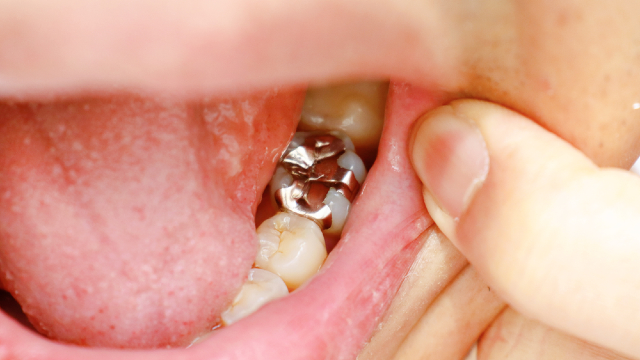
Patients who replace silver fillings often do so for two overlapping reasons: an older metal restoration has begun showing dark gray shadows when they laugh or speak, or a routine checkup reveals worn margins, micro-gaps, or recurrent decay around aging amalgam. For decades, silver amalgam was the workhorse material for back teeth, yet its mechanical retention requirements and metallic color leave many adults looking for a more natural-looking, tooth-preserving update. Evaluating tooth colored fillings Seoul options allows patients to address both visual harmony and structural integrity in a single appointment without removing unnecessary healthy enamel.
At Harue Dental Clinic in Sinsa-dong, Gangnam-gu, Seoul (established in 1995), Dr. Hanna Lee—a prosthodontic and restorative dentist with more than 30 years of clinical experience since graduating second in her class from Pusan National University College of Dentistry in 1994, and an Adjunct Professor in the Department of Implant Dentistry at The Catholic University of Korea—approaches composite fillings Korea care with a strict focus on enamel conservation. Rather than treating every dark filling as an automatic candidate for aggressive drilling or a full-coverage cap, Dr. Hanna Lee evaluates the remaining tooth walls, removes only the deteriorated amalgam or carious tissue, and builds a shade matched composite restoration in incremental, light-cured layers. At the same time, honest patient education requires explaining what resin restorations can and cannot do: composite fillings are a durable, conservative restorative solution, but they have a finite lifespan and may eventually experience surface wear, staining, or minor chipping that calls for maintenance or replacement over time.
Key Takeaways
The Bottom Line
- When to replace an old silver filling: An amalgam filling replacement is clinically straightforward when a visible metal filling bothers you aesthetically, when X-rays or intraoral scans reveal marginal breakdown or secondary decay beneath the metal, or when a small chip has developed along the restoration edge.
- How conservative composite dentistry works: Because resin bonds micro-mechanically to tooth structure, Dr. Hanna Lee does not need to cut wide box-shaped retentive slots into healthy walls. Incremental layering and specialized light curing minimize polymerization shrinkage stress and create a tight peripheral seal.
- What to expect after your appointment: Mild composite filling sensitivity to hot, cold, or biting pressure can occur temporarily after removing a deep silver filling, but it typically settles on its own within a few days to a couple of weeks. Patients should wait until local anesthesia numbness has completely worn off before chewing food.
- Honest expectations about durability: Asking how long composite fillings last requires looking at restoration size, bite load, and oral habits. Composite fillings serve reliably for a number of years with proper brushing, flossing, and nightguard protection if you clench, yet they are not a lifelong fixture—surface staining, gradual wear, or marginal chipping can eventually require polishing, repair, or replacement.
Why Patients Choose to Replace Silver Fillings With Shade-Matched Composite
Understanding the mechanical difference between older metal amalgam and modern adhesive composite explains why conservative cavity treatment has shifted decisively toward tooth-colored materials. Silver amalgam does not adhere to enamel or dentin on a chemical or micro-mechanical level; instead, a dentist placing an amalgam filling had to prepare an undercut cavity—wider at the base than at the chewing surface—so the hardened metal plug could not lift out. Over years of chewing and thermal expansion and contraction from hot and cold foods, metal fillings can corrode along their edges, impart a bluish-gray tint to translucent surrounding enamel, or place wedging forces against thin adjacent cusps.
When you choose to replace silver fillings with composite resin, the restorative mechanics change from physical wedging to adhesive reinforcement. Modern dental composites consist of a resin matrix filled with microscopic glass or ceramic particles engineered to mimic the optical and compressive behavior of natural tooth structure. As noted in a clinical update on posterior composite restorations, achieving durable form and function in back teeth depends on meticulous isolation, adhesive bonding protocols, incremental placement, and anatomical contouring of the chewing surface. Because the adhesive system bonds directly to the conditioned tooth walls, Dr. Hanna Lee only needs to lift out the compromised amalgam and gently clean away any softened, decayed dentin underneath—leaving surrounding healthy enamel ridges untouched.
Traditional Silver Amalgam vs. Layered Tooth-Colored Composite
==============================================================

[Silver Amalgam (Mechanical Retention)]
  - Requires wider base / undercut slots to lock metal in place
  - Opaque metallic gray appearance shows when smiling or laughing
  - No direct adhesion to surrounding enamel walls

[Tooth-Colored Composite (Adhesive Bonding)]
  - Bonds directly to enamel and dentin (preserves healthy walls)
  - Applied in shade-matched layers to mimic natural translucency
  - Hardened increment by increment with a specialized curing light
At Harue Dental Clinic, this philosophy of preserving natural tooth structure has guided clinical care since 1995. Dr. Hanna Lee—who is an active member of the American Academy of Cosmetic Dentistry (AACD), the Korean Academy of Oral and Maxillofacial Implantology, and the Korean Association of Orthodontists, and who registered a patent in 2011 for minimally damaging tooth design and facial-proportion-based smile design—treats even routine single-tooth restorations as an exercise in tissue conservation. Every millimeter of natural enamel preserved during an amalgam filling replacement helps keep the tooth stronger over the long term.
Clinical Indications: Aesthetic Upgrades vs. Structural Necessity
Deciding whether to schedule tooth colored fillings Seoul treatment starts with distinguishing between purely visual updates, early marginal breakdown, and deeper structural compromise. Not every silver filling in a patient's mouth needs to be removed immediately, and a thorough diagnostic examination helps separate teeth that will benefit right away from teeth that require a different restorative approach.
1. Visible Dark Fillings in the Smile Zone and Premolars
Silver fillings placed in premolars or the forward grooves of first molars frequently show as dark patches whenever a patient speaks, laughs, or opens wide. Even when the metal filling is small, metallic corrosion byproducts can leach into surrounding dentin tubules over time, casting a dull gray shadow through otherwise bright enamel. Replacing these visible restorations with a shade matched composite immediately restores uniform brightness across the arch without requiring full veneer or crown coverage.
2. Marginal Gap Formation, Recurrent Decay, or Minor Edge Chipping
In clinical practice, the most common medical reason for an amalgam filling replacement is breakdown at the interface where metal meets enamel. Over years of functional loading, the edges of a silver filling can ditch or chip, allowing microscopic plaque bacteria to seep underneath. Because silver amalgam blocks X-rays completely, early recurrent decay hiding beneath the metal margin often requires a combination of high-resolution intraoral photography, tactile examination, and targeted bitewing radiographs to detect. As documented in a retrospective study on restoration failure and its etiology, secondary caries and material or tooth fracture represent primary drivers of restoration replacement in routine dental care.
3. New Small-to-Moderate Cavities, Enamel Wear, or Minor Chips
Beyond replacing metal fillings, composite fillings Korea protocols at Harue Dental Clinic address fresh small-to-moderate cavities, minor chips along biting edges, localized cervical enamel wear near the gumline, and small cosmetic shape discrepancies. In all of these scenarios, direct composite bonding repairs the defect in a single appointment while leaving the rest of the tooth virgin.
Step-by-Step: Harue Dental Clinic's Layered Composite Filling Protocol
Patients researching tooth colored fillings Seoul often wonder why one composite filling blends seamlessly into the tooth and feels comfortable right away while a rushed filling looks flat or aches when biting. The difference lies in how the tooth is isolated, how the resin is layered, and how each increment is cured and polished.
At Harue Dental Clinic, Dr. Hanna Lee follows an eight-step clinical protocol for tooth-colored fillings and amalgam replacements:
- Comprehensive Examination and Diagnosis: Dr. Hanna Lee inspects the affected tooth, evaluates the margins of any existing silver filling, and checks how the opposing teeth contact the area during chewing and side-to-side movement.
- Targeted X-Ray Examination When Needed: Digital radiographs are taken when clinically indicated to evaluate the depth of the existing restoration, check for hidden secondary decay beneath the metal, and confirm how close the cavity sits to the dental pulp (nerve chamber).
- Comfort and Local Anesthesia: If the old filling extends into sensitive dentin or a deeper cavity is present, local anesthesia is administered so the procedure remains comfortable from start to finish. For very shallow surface repairs confined to outer enamel, anesthesia may not even be required.
- Conservative Removal of Old Amalgam or Decay: Using high-magnification visual control, the dentist carefully sections and removes the old silver filling and any softened, decayed tissue underneath while preserving every intact cusp and healthy enamel margin.
- Incremental Application of Shade-Matched Composite Layers: Rather than packing a single thick bulk of monochrome resin into the cavity, Dr. Hanna Lee selects composite shades that match both the warmer inner dentin core and the more translucent outer enamel layer. Applying the shade matched composite in thin, oblique layers reproduces natural optical depth and prevents the flat, opaque "patch" look.
- Precision Shaping and Curing-Light Polymerization: Each composite layer is anatomically sculpted to recreate natural cusp slopes and grooves, then hardened with a specialized dental curing light. Curing the resin in controlled increments reduces polymerization shrinkage stress against the bonded tooth walls, helping minimize post-treatment sensitivity and marginal gaps.
- Micro-Polishing and Occlusal (Bite) Adjustment: Once curing is complete, articulating paper is used to check your bite in static closure and chewing excursions. High spots are refined by fractions of a millimeter, and the restoration is polished with graded finishing instruments to a smooth, enamel-like luster that resists plaque buildup.
- Post-Treatment Follow-Up if Needed: If you notice any lingering composite filling sensitivity or feel that your bite is slightly high after the local anesthetic wears off, a brief follow-up visit allows quick polishing or occlusal fine-tuning.
Composite Filling vs. Silver Amalgam vs. All-Ceramic Crown: Comparing Your Options
When planning to replace silver fillings, one of the most important clinical judgments is knowing where a direct composite filling excels and where a tooth has lost too much wall strength for a filling to hold up safely. If an old silver filling spans more than half to two-thirds of the width between the back cusps, simply refilling that wide hollow space with direct composite leaves the thin outer enamel walls vulnerable to flexing and splitting.
The table below compares direct tooth-colored composite fillings, traditional silver amalgam fillings, and all-ceramic or zirconia crowns offered at Harue Dental Clinic:
| Feature / Clinical Factor | Tooth-Colored Composite Filling | Traditional Silver Amalgam Filling | All-Ceramic / Zirconia Crown (CEREC or Lab) |
|---|---|---|---|
| Primary Clinical Indication | Small-to-moderate cavities, minor chips, enamel wear, and conservative amalgam filling replacement | Historical posterior fillings where esthetics and adhesive conservation were not prioritized | Large areas of decay, cracked cusps, root-canal-treated teeth, or heavily undermined teeth |
| Tooth Preparation Style | Minimally invasive; removes only decay or defective metal and bonds directly to remaining tooth | Requires mechanical undercuts and deeper box preparation into sound tooth structure | Full-coverage outer preparation (360-degree circumferential support) to encase and protect weak walls |
| Aesthetic Appearance | Multi-layered shade matched composite mimics natural tooth color and translucency | Dark metallic silver-gray; darkens further over time with surface corrosion | High-translucency ceramic (150 MPa CEREC block) or custom high-strength zirconia matched to adjacent teeth |
| Typical Visit Count at Harue | Single visit (typically 30 to 60 minutes depending on tooth count) |
Single visit (not used for aesthetic restorative upgrades) | Single visit (1 day, a few hours) for eligible chairside CEREC crowns; 2 to 3 visits (1 to 2 weeks) for custom zirconia |
| Expected Lifespan & Maintenance | Lasts a number of years with proper care; finite lifespan—may eventually stain, chip, or need replacement | Can last many years mechanically, but prone to marginal ditching, corrosion staining, and cusp wedging | Averages 10 to 15 years and can last more than 20 years with proper hygiene and bite care |
When Dr. Hanna Lee removes a large old amalgam and finds that the remaining cusps are undermined or crazed with micro-cracks, she can discuss stepping up to a ceramic restoration right away. Because Harue Dental Clinic has operated an in-house digital CEREC and prosthetic laboratory since 2007—equipped with 17 digital scanning units (including 5 PrimeScans and 12 Omnicams) and high-strength 150 MPa ceramic blocks (compared to 80 MPa in standard porcelain)—even a tooth that requires a full-coverage CEREC ceramic crown can often be scanned, milled, hand-characterized, and bonded in a single visit. Patients can review clinical examples of restorative transformations in the clinic's before-and-after gallery and read verified experiences on the patient reviews page.
Realistic Expectations: How Long Composite Fillings Last and Why They Are Not Indefinite
A hallmark of trustworthy dental guidance is transparency about material limitations. Many generic cosmetic dental pages market resin restorations as if you will never have to think about that tooth again. At Harue Dental Clinic, Dr. Hanna Lee makes sure every patient understands how long composite fillings last in real-world daily function and why composite resin has a finite service life.
Why Composite Resin Ages Over Time
Every time you chew, drink hot coffee followed by cold water, or clench your jaw during sleep, a dental filling experiences thousands of microscopic mechanical and thermal cycles. Over a span of years, three gradual changes can occur in a composite restoration:
- Surface and Marginal Staining: While the glass filler particles inside composite resin are color-stable, the microscopic junction where the resin meets the natural enamel margin can gradually pick up dietary pigments from coffee, tea, red wine, dark sauces, or tobacco.
- Occlusal Wear and Micro-Chipping: In patients with heavy bite forces or nighttime tooth grinding (bruxism), the chewing surface of a posterior composite filling can slowly wear down or develop minor edge chips.
- Bond Degradation and Need for Maintenance: Longitudinal clinical research, including a 12-year clinical study on the repair and survival of amalgam and composite resins, demonstrates that while bonded composite restorations perform reliably over many years, their survival is finite and targeted refurbishment, repair, or replacement is a normal part of long-term maintenance.
How to Maximize the Lifespan of Your Tooth-Colored Fillings
Even though composite fillings are long-lasting rather than lifelong, daily habits strongly influence how many years they stay bright and sealed:
- Consistent Plaque Control: Brushing twice daily with a soft-bristled toothbrush and non-abrasive fluoride toothpaste, paired with daily flossing, prevents plaque acid from softening the enamel margin around the filling.
- Mindful Dietary and Biting Habits: Rinsing with water after consuming heavily pigmented beverages reduces surface staining, and avoiding chewing hard ice, unpopped corn kernels, or hard candy shells prevents sudden edge fractures.
- Nightguard Protection for Clenching or Grinding: If you clench or grind your teeth at night, wearing a custom occlusal guard shields both your natural enamel and your composite fillings Korea restorations from destructive lateral shear forces.
- Routine Professional Checkups and Polishing: Periodic dental cleanings allow a dentist to buff away early surface stains and inspect filling margins before a minor defect turns into recurrent decay.
Understanding Composite Filling Sensitivity, Recovery, and Travel Planning
One of the most frequent questions patients ask before they replace silver fillings is whether their tooth will hurt afterward and how much recovery time they need to build into a trip to Seoul.
Managing Temporary Post-Treatment Sensitivity
Tooth-colored composite fillings involve little to no downtime, and you can return to sightseeing, work, or travel activities immediately after leaving the clinic. However, two short-term precautions matter:
- Wait for Anesthesia Numbness to Wear Off Completely: If local anesthesia was used during your procedure, avoid chewing solid food or drinking very hot beverages until full sensation returns to your lip, cheek, and tongue. Chewing while numb carries a risk of accidentally biting soft tissue or placing excessive force on the newly restored tooth.
- Expect Mild, Self-Limiting Thermal or Pressure Sensitivity: It is normal to notice mild composite filling sensitivity to cold drinks, warm foods, or firm chewing pressure for a few days to a couple of weeks after an old silver filling is removed—especially if the original metal filling sat deep near the pulp. As the tooth's internal dentin tubules settle, this sensitivity typically resolves on its own. If a filling feels slightly "tall" when you tap your teeth together after the numbness fades, a quick bite adjustment at the clinic relieves the pressure immediately.
Recommended Stay in Seoul for International Patients
For international visitors and medical travelers scheduling tooth colored fillings Seoul care at Harue Dental Clinic, a typical stay in Korea is around 2 to 3 days. Because direct composite fillings are completed in a single appointment, a 2 to 3 day window gives you comfortable time for your initial clinical examination and X-rays, same-visit composite restoration, and a brief next-day or second-day check if any minor bite refinement or sensitivity review is needed before your flight home.
What to Confirm With the Clinic
Before scheduling your appointment via the Harue Dental Clinic contact page, review these five practical details with the care team:
- Number and Size of Silver Fillings to Replace: Let the coordinator know how many teeth have silver fillings you wish to evaluate, and send recent dental X-rays or intraoral photos to
info@haruedentalclinic.comif available so Dr. Hanna Lee can estimate whether your teeth qualify for direct conservative cavity treatment or may need a single-visit CEREC ceramic restoration. - Layered Shade-Matching and Curing Protocol: Ask how Dr. Hanna Lee selects dentin and enamel composite shades for front versus back teeth and how incremental light curing is used to minimize post-operative sensitivity.
- Bite Adjustment Window Before Departure: Confirm that your
2 to 3 daystay in Seoul leaves a brief buffer day after your filling appointment in case you want a quick occlusal polish once the local anesthesia wears off. - Contingency for Large Undetermined Cavities: Ask what happens during the appointment if lifting out a wide, decades-old silver filling reveals a cracked cusp or deep structural loss—specifically whether an in-house same-day CEREC ceramic crown can be completed within your stay.
- Operating Hours and English Coordinator Support: Harue Dental Clinic is located at
41-11, Gangnam-daero 162-gil, Gangnam-gu, Seoul(Sinsa-dong, Harue Dental Clinic Building) and operates by reservation Monday–Friday09:00 AM–17:25 PM KSTand Saturday08:30 AM–12:30 PM KST. Call+82 2 543 0037(or overseas inquiry+1 208-825-7756) to confirm English-speaking coordinator support (such as Jeon Jin-mi) for your visit in advance.
Frequently Asked Questions
Can I replace silver fillings with tooth-colored fillings in a single visit in Seoul?
Yes. At Harue Dental Clinic, replacing small-to-moderate silver amalgam fillings with shade matched composite resin is completed in a single visit. After examining the tooth and taking an X-ray if needed, Dr. Hanna Lee removes the old metal filling, applies composite resin in color-matched layers, cures each increment with a specialized curing light, and polishes the restoration to match your bite before you leave.
How long do composite fillings last compared to old silver fillings?
Understanding how long composite fillings last starts with recognizing that composite resin is a durable, multi-year restoration with a finite lifespan rather than a lifelong fixture. With daily brushing, flossing, and protection from heavy grinding, tooth-colored fillings last a number of years while preserving more healthy enamel than undercut metal fillings, though they may eventually experience staining, wear, or minor chipping that requires touch-up or replacement.
Why do teeth sometimes feel sensitive after an amalgam filling replacement?
Mild composite filling sensitivity to cold, heat, or biting pressure can happen temporarily after removing an older silver filling because cleaning the cavity and bonding the resin stimulates microscopic fluid movement inside the dentin tubules. This mild sensitivity usually settles on its own within several days to two weeks; if the bite feels slightly high once numbness fades, a quick occlusal adjustment resolves pressure discomfort.
Is every old silver filling a candidate for a direct composite filling?
Not every tooth with an old silver filling should receive a direct composite filling. When an existing amalgam filling is small to moderate and surrounded by strong enamel walls, conservative cavity treatment with layered composite works well. However, if removing a very large silver filling leaves the tooth heavily hollowed out or reveals fractured cusps, an all-ceramic or zirconia crown (such as an in-house CEREC crown) provides more reliable structural protection.
How many days should international patients stay in Korea for composite fillings?
For international patients visiting Seoul specifically for tooth-colored fillings or amalgam filling replacement, Harue Dental Clinic typically recommends a stay of around 2 to 3 days. Although the composite filling procedure itself is finished in a single visit with little to no downtime, staying 2 to 3 days allows time for consultation, treatment, and a brief follow-up bite or sensitivity check if needed.
This article is for informational purposes only and is not a self-diagnosis tool or a substitute for a clinical examination and personalized treatment plan from a licensed dentist.
More Articles
Continue reading our clinical guides.