Personalized Medical Care & Dedicated International Patient Concierge


Medical Guide
Dental Implants for Missing Teeth: A Complete Overview
Explore dental implants for missing teeth, including benefits, procedure, recovery, and costs. Find the right solution for your smile—learn more today.
Schedule a ConsultationUnderstanding Tooth Loss and Why It Matters

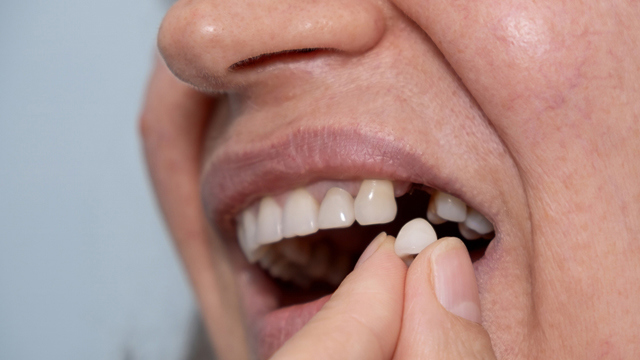
Teeth can be lost due to decay, gum disease, trauma, or age-related wear. Unlike skin or hair, dental tissue does not regenerate on its own, which means the effects of tooth loss are permanent unless addressed with restorative treatment. Left untreated, a missing tooth can lead to a series of changes that compound over time:
- Shifting of neighboring teeth into the empty space, which can affect bite alignment
- Gradual loss of jawbone density in the area, since bone requires the stimulation of a tooth root to maintain its volume
- Changes in chewing efficiency, which can affect nutrition and digestion over the long term
- Aesthetic changes to facial structure, including a sunken appearance in the cheeks or lips near the missing tooth site
- Increased strain on remaining teeth, which absorb the chewing load previously shared with the missing tooth
This is why timely evaluation and treatment planning matter, particularly for patients with one or more missing teeth. The longer a gap is left untreated, the more bone remodeling tends to occur, which can affect the complexity of later treatment.
What Are Dental Implants?
A dental implant is a titanium (or titanium alloy) post surgically placed into the jawbone to act as an artificial tooth root. Titanium is used because of its biocompatibility — the bone gradually grows around and fuses with the implant surface in a process called osseointegration. Once integration is complete, the implant supports a custom-made crown, bridge, or full-arch prosthesis. Implants are designed to function and look like natural teeth, and because they replace the root itself, they help preserve jawbone volume in a way that bridges or dentures typically cannot.
How Implants Compare to Other Restorative Options
Patients weighing their options often compare implants to two alternatives:
- Dentures are removable and rest on the gum surface rather than integrating with bone. They can be an appropriate solution for some patients but do not prevent the ongoing bone loss that occurs after tooth loss, and they may require periodic adjustment as the jaw shape changes.
- Traditional bridges involve grinding down the teeth adjacent to the gap to support a fixed replacement. This means healthy tooth structure on neighboring teeth is altered permanently, even though the missing tooth itself is restored.
- Implants, by contrast, do not rely on neighboring teeth for support and are anchored directly in the bone, which is why they are often considered for patients seeking a fixed, root-level solution.
Depending on the number of teeth being replaced, treatment may involve:
- Single implants — for one missing tooth
- Multiple implants with a bridge — for several adjacent missing teeth, reducing the total number of implants needed
- All-on-4 / All-on-6 implants — full-arch rehabilitation using four or six implants to support an entire row of teeth, often with immediate loading protocols for patients who are missing most or all of their teeth in one arch
Who Is a Suitable Candidate?
Not every patient requires the same approach, and suitability depends on individual factors evaluated during consultation, including:
- Overall oral health and gum condition, since active gum disease typically needs to be addressed before implant placement
- Existing jawbone density and volume, which determines whether the implant can achieve adequate initial stability
- Presence of systemic conditions, such as uncontrolled diabetes or certain autoimmune conditions, that may affect healing
- Smoking status, as tobacco use is associated with a higher risk of complications during healing
- Number and location of missing teeth, which influences whether a single implant, multiple implants, or a full-arch approach is more appropriate
Patients with insufficient bone volume may still be candidates after additional preparatory treatment, such as bone grafting, in some cases. Age alone is rarely a disqualifying factor; overall health and bone condition tend to matter more than age. A thorough clinical and radiographic evaluation is the only reliable way to confirm candidacy, which is why individualized diagnosis — rather than a standardized protocol — is central to treatment planning.
The Implant Procedure: Step by Step
While specifics vary by case, the general process typically includes the following stages.
1. Diagnosis and Planning
Digital imaging, such as 3D scans, and a physical examination are used to assess bone structure, gum health, and the position of surrounding teeth and nerves. This stage determines the number, size, and precise placement of implants required, and allows the treatment to be mapped out before any surgical step begins.
2. Implant Placement
The titanium post is placed into the jawbone under local anesthesia. Depending on the case, a temporary restoration may be fitted the same day, while in other cases the site is left to heal before a temporary crown is added.
3. Osseointegration
Over a period of weeks to months, the implant fuses with the surrounding bone. This biological integration is what gives implants their long-term stability, and its duration can vary depending on bone quality, implant location, and individual healing response. Lower jaw implants often integrate somewhat faster than upper jaw implants due to differences in bone density.
4. Final Restoration
Once integration is confirmed through follow-up imaging, a custom crown, bridge, or prosthesis is fabricated and attached, completing the restoration. The final restoration is shaped and shaded to match the surrounding teeth as closely as possible.
In select cases where bone conditions and clinical assessment support it, same-day protocols may allow diagnosis, placement, and a temporary or final restoration to be completed within a single visit — though this depends entirely on individual case suitability rather than being a default approach for every patient. Patients should discuss with their doctor whether their specific case is appropriate for an accelerated timeline.
Doctor's Expertise: Dr. Hanna Lee
Implant treatment at Harue Dental Clinic is directed by Dr. Hanna Lee, who graduated second in her class from Pusan National University College of Dentistry in 1994 and has since focused her career on implantology and aesthetic dentistry. Her background includes doctoral-level study in implantology at the Graduate School of Clinical Dentistry, Catholic University of Korea, along with clinical implant training completed at the University of Berlin, Germany.
Dr. Lee has worked extensively with the Ankylos implant system as an advisory physician for the Asia region, and has also served as a research advisory physician for Osstem Implant. She has lectured on CEREC-based restorative techniques through the Korean Academy of Computerized Restorative Dentistry and authored a clinical reference on dental contouring and proportion. Every diagnosis and treatment plan at the clinic is handled personally by Dr. Lee, reflecting a case-by-case approach rather than a standardized workflow — an approach that is particularly relevant for implant cases, where treatment planning benefits from close attention to each patient's bone anatomy and bite relationship.
Clinic Strengths: Digital Precision Under One Roof
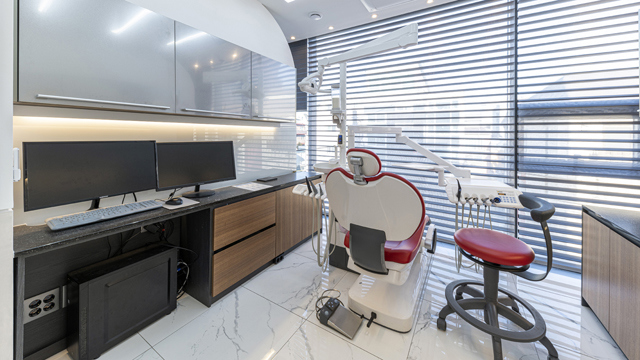
Harue Dental Clinic, located in a quiet section of Sinsa-dong, Gangnam-gu, Seoul, has operated since 1995 with a philosophy centered on preserving natural tooth structure wherever possible. Since 2007, the clinic has operated a fully integrated in-house digital dental laboratory, connecting diagnosis, design, and fabrication into a single streamlined workflow. This infrastructure supports:
- More precise treatment planning through digital imaging and case-by-case wax-ups, allowing the final result to be visualized before treatment begins
- Reduced turnaround time between clinical and laboratory stages, since design and fabrication happen on-site rather than being outsourced
- Greater consistency between the planned design and the final restoration, reducing the likelihood of remakes or extended fitting adjustments
This integration is particularly relevant for implant patients, as it allows closer coordination between surgical planning and prosthetic design — two stages that, in clinics without in-house lab capability, are often handled by separate providers with less direct communication.
Recovery, Safety, and Realistic Outcomes
Recovery timelines vary depending on the number of implants placed, individual bone quality, and overall health. Patients are generally advised to:
- Follow a soft-food diet during initial healing to avoid placing excess pressure on the implant site
- Maintain diligent oral hygiene around the implant site, including gentle brushing and any rinses recommended by the treating doctor
- Avoid smoking, which can affect blood flow to the healing tissue and has been associated with higher rates of complications
- Attend scheduled follow-up appointments so that integration and gum healing can be monitored
- Watch for warning signs such as persistent swelling, pain, or mobility of the implant, and report these to the clinic promptly
Once healed, implants generally require the same daily care as natural teeth — brushing, flossing (using tools designed for implant-supported restorations where needed), and regular dental check-ups to monitor gum health around the implant.
While dental implants have a strong long-term track record when properly planned and maintained, outcomes depend on individual biology, bone quality, and adherence to post-treatment care. No restorative treatment is entirely without risk, and possible complications — such as delayed integration, infection at the surgical site, or in rare cases implant failure — should be discussed openly during consultation. A transparent conversation about realistic expectations, rather than a guarantee of outcome, is a reasonable standard for any patient to expect from a treatment provider.
A Transparent, Patient-Centered Approach
Choosing where to undergo implant treatment is a significant decision, and the amount of information available can feel overwhelming. At Harue Dental Clinic, treatment costs are communicated clearly before care begins, and only clinically necessary procedures are recommended. For patients evaluating dental implants for missing teeth, a personal consultation — including a review of dental history, a clinical exam, and diagnostic imaging — remains the most reliable way to understand which approach, whether a single implant, multiple implants, or full-arch rehabilitation, is appropriate for their specific case.
Visit Harue Dental Clinic: 41-11 Gangnam-daero 162-gil, Gangnam-gu, Seoul (Sinsa-dong, Haru-e Dental Building)
More Articles
Continue reading our clinical guides.